cincinnati nutrition counseling

5 Healthy Snack Recipes for Fall

Fall weather, football, and holidays are fast upon us. With the season comes more celebrating and snacking, but this doesn’t mean you have to sacrifice your health in the process. Read on for snack recipes and ideas that support your quest for inflammation-free eating.

Food choices that support optimal function in the body include grass-fed meat, wild game, wild caught fish, shellfish, chicken, omega-3 eggs, vegetables and leafy greens, nuts (raw or dry roasted), spices, olive oil, coconut oil, butter, cream, avocado, bacon, coffee, tea, and more.

Want to indulge during the big game or a holiday party? Red wine or stout beer are options, proving that you can have great tasting foods and beverages that are also anti-inflammatory.

Foods that create a pro-inflammatory state in the body, on the other hand, include refined sugar, refined grains, grain flour, trans fats, and refined omega-6 seed oils (corn, safflower, sunflower, peanuts, etc.) and similar foods fall in this category (1).

Try these healthier twists on popular snack items this fall.

Homemade Trail Mix

You can create a trail mix that’s packed with nutrition, yet still anti-inflammatory. This homemade trail mix is perfect for traveling, toting along during your next hike or bike ride, or to accompany the next Bengals game. Start with our suggested recipe, or modify to include your favorite nuts or fruits:

  • Almonds – whole or slivered

  • Walnuts or macadamia nuts

  • Dried cherries

  • Dried blueberries (with no sugar added)

  • Roasted pumpkin or acorn squash seeds (buy them already roasted at the store, or roast your own this time of year)

  • Dried Apricots

    Missing the chocolate from your old trail mix recipe? Add in a few bits of extra dark chocolate if that fits within your nutrition goals.  

Nut-Butter Stuffed Apples

Candied apples are a favorite this time of year, and you don’t have to miss out on a delicious treat that might just remind you of it! Core your favorite fall varietal of apple, then fill it with your favorite nut butter. Bake at 350 for about 30 minutes, depending on the apple you use. The apple should be tender, but still holding its shape well. You will have a dense, flavorful dessert that won’t leave you feeling guilty. We think almond butter works best in this recipe (2).

Home-made (or Store Bought) Jerky

If you have your own smoker, try your hand at a natural home-made jerky. If not, look for a high quality brand without artificial ingredients, preservatives or additives. Try to avoid ingredients like MSG, corn syrup, artificial colors and flavors. Brands including Three Jerks, Oberto, and Lawless all raise the bar when it comes to keeping their jerky natural.

DIY Energy Bars

If you miss your energy bars (which are typically not anti-inflammatory or primal), no need to worry: you can make your own, and then you can know exactly what you are eating.

Homemade energy and protein bars are much easier than you probably realized. The best part: you will be avoiding all the added sugars, flavorings and preservatives that many of the store bought bars have.

Create combinations with healthy fats and protein to keep your energy levels high. All you need is a baking pan, a great blender or food processor, and a few simple ingredients. Seedless dates work to help bind the bars together and provide a natural sweetness. Try these recipes, or experiment with other ingredients to create your own.

Combo #1:

  • 1/4 cup cherries

  • 1/4 cup seedless and pitted whole dates

  • 1/2 cup raw almonds

  • 1 Tbsp creamy natural almond butter

  • pinch of sea salt

Combo #2: 

  • 1/4 cup dried blueberries

  • 1/4 cup seedless and pitted whole dates

  • ½ cup cashews

  • 1/2 tsp finely grated lemon zest

  • 1/4 tsp cinnamon

Combo #3:

  • 1/2 cup seedless and pitted whole dates

  • 1/3 cup cashews

  • dash of sea salt

  •  Zest of 1 lime (if desired)

  •  1/2 tbsp lime juice (if desired)

  •  1/3 cup shredded coconut

How to make them:

Always blend the dates and fruit ingredients together first. Then transfer to a bowl. Next, pulse the nuts into a rough nut-flour consistency. Add all ingredients together and knead with your hands. Spread evenly and press firmly into a cake pan.

Chill for about 20 minutes to help the bars set. Slice and enjoy. Alternatively: roll into ball shapes for “power balls” instead. Wrap bars in plastic wrap or keep power balls in small bags. Load some up into your car to enjoy after the gym or during your daily commute.

Chili-lime Chicken Wings

No list would be complete without something to eat on game days. You don’t need breading or a deep fryer to enjoy a good chicken wing.

Here’s the recipe:  

 ½ medium onion, roughly chopped

  2 jalapeno peppers, seeds removed

  3 garlic cloves, peeled

  • ½ cup cilantro, tightly packed

  • Freshly ground pepper

  • Zest from 2 limes

  •  ¼ cup lime juice

  • 2 tablespoons coconut aminos

  •  6 pounds chicken wings and/or drumsticks

  •  1-2 tablespoons melted fat of choice

  • 4 limes, cut into wedges (2)

Here’s what to do:

Blend the onion, peppers, garlic, cilantro, ground pepper, lime zest and juice, and coconut aminos (if desired) until you have a bright green puree. Pour the marinade over the chicken wings in a large bowl, mix well, and marinate for at least 30 minutes, but up to 12 hours.

Take the wings out of the refrigerator 30 minutes before you plan to cook them. Bake at 425 in the oven on a greased wire rack for 30 minutes, flipping halfway. Want to fire up the grill? Grill over medium heat for about 15 minutes, turning once.

Learn More About Making Pro-Inflammatory Food Choices

Ready to change the way you think about snacking? Or do you want to learn more about lifestyle changes that can improve your health? Give Dr. Bradford a call today to learn more about whole food-based nutrition that can taste great and keep your energy levels high. Call Cincinnati Rehabilitation Center today at 513.772.9065 to learn more.

Sources/References:

1.     Seaman, David R. (2016-04-02). The DeFlame Diet: DeFlame your diet, body, and mind (p. 2). Shadow Panther Press. Kindle Edition. 

2.     http://greatist.com/health/paleo-recipes-list


How to Train and Recover Like an Olympian: Kinesio Tape & Cupping

Did you watch the Olympics?

Whether it’s volleyball, gymnastics, archery, tennis or a track event, you may have seen some of the athletes with tape on various parts of their bodies. Some have it on their shoulders, some on their back, and still others have it on their feet, calves or even near their abdomen.

You might have wondered: What exactly is that tape for?

The strips of tape you see on athletes’ bodies is actually what’s called Kinesio tape, or kinesio tex tape. This kind of tape—also just called KT tape—is made up of elastic fibers, and it can be applied to the skin to help support the lymphatic, neural, muscular and fascial systems.

More than 40 years ago, a doctor created the tape to help support the work he was doing with his patients. He created a kind of tape that had the ideal amount of adhesive so that it would stay on patients’ bodies while they moved or exercised. Fast-forward to today and it is used to support alignment, for rehabilitation, for pain, and also during competition.

While it’s difficult to know why each Olympic athlete is using the kinesio tape method, you can bet that they are trying to add a bit of support to their soft tissue that may be over-worked. In other cases, it is likely they are supporting muscles that have been strained or injured at some point in their training. You can imagine just how much these athletes train year-round, so they are willing to try a variety of methods that support improved mobility, better performance, and faster recovery.

Tape that Mimics Our Skin

In many ways, the tape you see athletes using actually mimics our skin, so after applying, people can use KT tape to further support their muscles or in some cases, limit muscle movement in those areas. When combined with treatments including chiropractic, physical therapy and stretching, kinesio tape can be used for preventative measures and to provide benefit to the circulatory system and our ligaments, tendons and joints…and not just for world-class athletes!

Cupping Therapy

Besides the tape you see on athletes, you’ve also probably noticed the large, circular bruises you see on them, especially common with the swimmers. This is a cupping technique—centuries old—which is used as a functional soft tissue therapy. One simple way of thinking about is that it’s the opposite of massage, which would be a compression therapy. With cupping therapy, the suction of the cups increases blood flow and helps to release tight myofascial tissue through decompression forces. The athletes we see on TV are likely using it to also relieve tension and for optimal recovery.

Improve Your Health at Cincinnati Rehabilitation Center

Want to know more about these and other treatments that are safe and effective ways of helping the body naturally heal? Call us today at 513.772.9065.

What to Know About Probiotics: Your Questions Answered

What Are Probiotics & Prebiotics?

Probiotics are living microorganisms that naturally exist in certain fermented foods including kefir, tempeh, miso, buttermilk, pickles, sauerkraut or pickled vegetables. They are a type of bacteria that produces lactic acid—but not to be confused with the kind of lactic acid you think of that our bodies produce after you go for a long run.

By definition, they mean “for life,” which is fitting because they are bacteria that offer health benefits to us. We have trillions of microorganisms in our bodies, and when we are healthy, these microorganisms are in good balance. Did you know? A healthy adult human has more cells of outside microorganisms inside its GI tract than it does of its own cells of the entire body combined. These microorganisms are essential to our bodies functioning properly.

Probiotics support our immune system, including our ability to fight infection, and they help us optimize our overall intestinal function, specifically the ability to absorb nutrients. Just consider how 80 percent of our entire immune system is in our digestive tract! Within our gut, probiotics improve the balance of microbes while working against any pathogens or harmful bacteria.

While more research is needed, research has supported that these beneficial bacteria may also:

  • Improve gut health after taking certain antibiotics
  • Increase our absorption of nutrients needed from food
  • Help our gut recover after severe stressors
  • Help with recovery from certain intestinal infections
  • Prevent or reduce the severity of colds or the flu
  • Synthesize Vitamin K and other beneficial substances
  • Aid in the proper function of our liver and thyroid

Probiotics need food that they live off, also known as prebiotics, which is why you hear of both prebiotics and probiotics together so often. In most cases, prebiotics refers to non-digestible food components such as fiber. Prebiotics are found in a variety of foods such as bananas, onions, and even artichokes. The benefits of probiotics will be maximized when we combine them with prebiotics. Yogurt and kefir are considered “symbiotic” because they combine probiotics and prebiotics.

“I Want the ‘Good’ Bacteria!”

Knowing how our gut health impacts our entire health, what does that mean for you if you’re looking to introduce more probiotics into your diet?

All of us were born with this so-called “good bacteria” present in our bodies. Our gut flora can be negatively impacted by prescription antibiotics, sugar, excess grains, stress and other chemical stressors. Because of these factors, we look to add more of the “good” bacteria to restore our natural balance within the gut.

If you’re ready to restore your gut health through probiotics, start with the foods you are eating. Depending on your other health and wellness objectives, a few options to consider include:

  • Sauerkraut
  • Kimchi
  • Coconut kefir
  • Raw and unpasteurized cheeses 
  • High quality yogurt (many brands are low quality and full of unnecessary sugar)
  • Kombucha (mixed with chia seeds makes a great Probiotic and Prebiotic combination)

With so many different options (and so many companies touting their foods as being probiotic-friendly), let us help you wade through the options to find what is right for you.

Before you decide to add probiotic supplementation to your diet, ask Dr. Bradford about what is right for you.  Probiotic supplements can be one of the most important and most beneficial supplements a person takes, but, not all probiotic supplements are created equal. There are several that may be beneficial and/or recommended for you depending on your needs. If a supplement is right for you, Dr. Bradford can help you set up a plan that includes an effective supplement with a synergistic blend of probiotic strains and prebiotic fibers.

References/Further Reading

  1. http://www.ncbi.nlm.nih.gov/pubmed/19651563
  2. http://www.ncbi.nlm.nih.gov/pubmed/18313433
  3. http://nccam.nih.gov/health/probiotics
  4. http://www.ncbi.nlm.nih.gov/pubmed/23707554
  5. http://www.medscape.com/viewarticle/719654_4
  6. http://www.ncbi.nlm.nih.gov/pubmed/24638909


How to Stick to Your New Year’s Resolutions

cincinnati rehabilitation center_health and chiropractic

Are you looking to eat healthier, get more sleep, exercise more often, lose body fat, save more money, spend more time with family, quit smoking, travel more often, or get a new job in the New Year? 

These are a few of the most common New Year’s resolutions people take on each year. In fact, about 45 percent of us make some kind of resolution each year, according to a study at the University of Scranton, Journal of Clinical Psychology. Even if you aren’t starting 2016 with a resolution, you still may want to change your habits or your lifestyle so that you can live the life you want.

Creating New, Long-Lasting Habits to Improve your Life

We encourage this kind of optimism and efforts to create meaningful, positive change in your life. As a result, we’ve compiled 3 tips to help you find lasting behavior change for a more fruitful life.

Tip #1: Don’t rush goal-setting and be sure you know your process for change.

It’s easy to think of all the things we might want to change, but don’t forget the importance of giving consideration to what’s realistic and feasible with your new goal.

Ever heard of creating a SMART goal? Maybe you’ve heard of it at work or in school, but there is value in implementing a goal that is aligned with the SMART framework. You can also use any similar framework; the intention is to make sure your goals are supported by motivation, that they have meaning, and that they are measurable.

SMART goals include the following:

·      Specific: can you answer what you want to achieve in the area of your life you are looking to change?

·      Meaningful: can you say with confidence this is a meaningful goal to you?

·      Action-oriented: what are the steps you will take to achieve lasting change? Aim for a system or method you can repeat.

·      Realistic: is your goal feasible, and how do you know?

·      Timely: do you have a timeframe or specific time when you want to achieve your goal? When applicable, do you know how you can track your progress against this timeline? What feedback or metrics will help you know you have the right process in place?

Creating a SMART goal helps you create an action-oriented goal and plan. This helps bring clarity—near and long-term—to where you need to start, and where you want to be. Consider thinking of your goal in a bite-sized way: what can you do today so that in several months, this will be possible?

Sometimes this kind of mindset requires us to “reverse-engineer” our goal, where we start with our objective, and work back to where we are at present. Whatever plan you create, you want an understanding on the behaviors and the process needed to create that change.

Tip #2: Reflect on your successes and your failures...and then adjust accordingly.

When it comes to changing your daily habits, you can learn just as much from your successes as your ongoing barriers to positive habit formation.

For example, if your goal is to consistently exercise 3-4 times per week, notice what keeps you from achieving that habit (or that outcome). Of course, this takes a lot of honesty with yourself!

A bit of introspection might tell you that you don’t make it to the gym if you don’t go in the morning. That might suggest that you want to dedicate time in the morning to go to the gym.  In this example, you would also consider why you tend to neglect your workout schedule when you plan to workout after work. Do you just forget altogether? Are you tired after a long day at work? Is your favorite class not available after work? Said another way, consider why that “barrier” is ruining your good intentions.

Continuing with our example, we see that for many people, they have good intentions on going to the gym after work, but once they drive home, they never seem to make it to the gym, as intended. But what if you were to bring your workout clothes to work and then head directly to the gym after work? This way, you would no longer be dependent on your mood once you drive home from work. You also eliminate other potential excuses or barriers (distraction, family, etc.) that might come your way if you don’t go straight to the gym from work.

By slightly changing your normal way of doing things, you might find you have more success and you eliminate temptations to act in ways that aren’t aligned with your goals. As this example shows, part of creating the habits you want is tweaking daily activities to avoid whatever “barriers” you have. Many times people think that only the most “disciplined” people can achieve goals and lasting change, but that’s just not true. Focus on the process, not just the end goal.

Tip #3: Share your goals with others.

Sometimes we like to think we can do things on our own, and we can even take a bit of pride in being self-sufficient. But most lasting change and new habit formation requires support and help from other people—whether that be from family members or friends or professionals that can help guide us. This feedback and reinforcement is crucial in creating new habits.

Ask yourself: will you share your objectives with others, and if so, who is best to share these goals with? Also consider whether telling other people will help you to really be “all in” with the change you want to see in yourself. If it will, then by all means, tell people so that you can be even further committed to your goals.

When we do share our goals with others, it can help us keep ourselves accountable. When we make sure others know our motivations and thought behind changing our lives for the better, other people can be more equipped to support us along the way. We know there will be obstacles and our enthusiasm towards meeting our goals may waver; it is how we set ourselves up to overcome those obstacles, and how we act after we have a setback that matters.

Create the Habits You Want—Not Just the Goals or Resolutions You Want

All of these tips recognize that goals can be a great place for us to start, but a serious plan with a proven process and a system for support help us once the newness of a resolution wears off.

The focus is on changing habits, including the environment that triggers so many of those habits.

We have this focus so that we can act in ways that are consistent with the habits that put us on the path to our goals. Changing ourselves for the better and resolving to grow ourselves is not something that has to happen at the beginning of the year. These tips are ways we can think and approach positive behavior change whenever we are ready and motivated to do so.

While you may be looking to create a new you in the new year, have you noticed some of the changes around CRC? We have a new website and a revamped Facebook page. We also have new service offerings that include physical therapy and Reiki. Be sure to ask us about how we can partner with you in the New Year to create a healthier life. Let us know if you are interested in coming in for chiropractic, massage, sports injury, nutrition counseling, Reiki & more. See our list of services here.

References/Further Reading

http://topachievement.com/smart.html

http://www.forbes.com/sites/markmurphy/2015/01/08/smart-goals-can-sometimes-be-dumb/

Healthy Recipes for Thanksgiving

In the spirit of Thanksgiving, we want to be sure to mention how grateful we are for our patients and for our health.

And, with the holiday season officially kicking off with Thanksgiving, we know that many people begin to worry or stress out about what they are eating.

Following the guidelines that Dr. Bradford normally provides you, aim to follow your optimal nutrition at least 80 percent of the time this holiday season. For many, that may just mean your health journey will include a “cheat day”—or more than one “cheat day”—so that you can fully enjoy time with family and friends in the coming weeks. That’s not something to feel guilty about.

With a long-term, consistent focus on a low-glycemic index foods, hydration and eating anti-inflammatory foods that provide ample energy, nutrients/phytonutrients, vitamins, minerals, and essential fatty acids, one or two days will not set back your health and wellness goals.

Ask us for more information about a practical way to incorporate nutrition that can help address inflammation in order to promote your health.

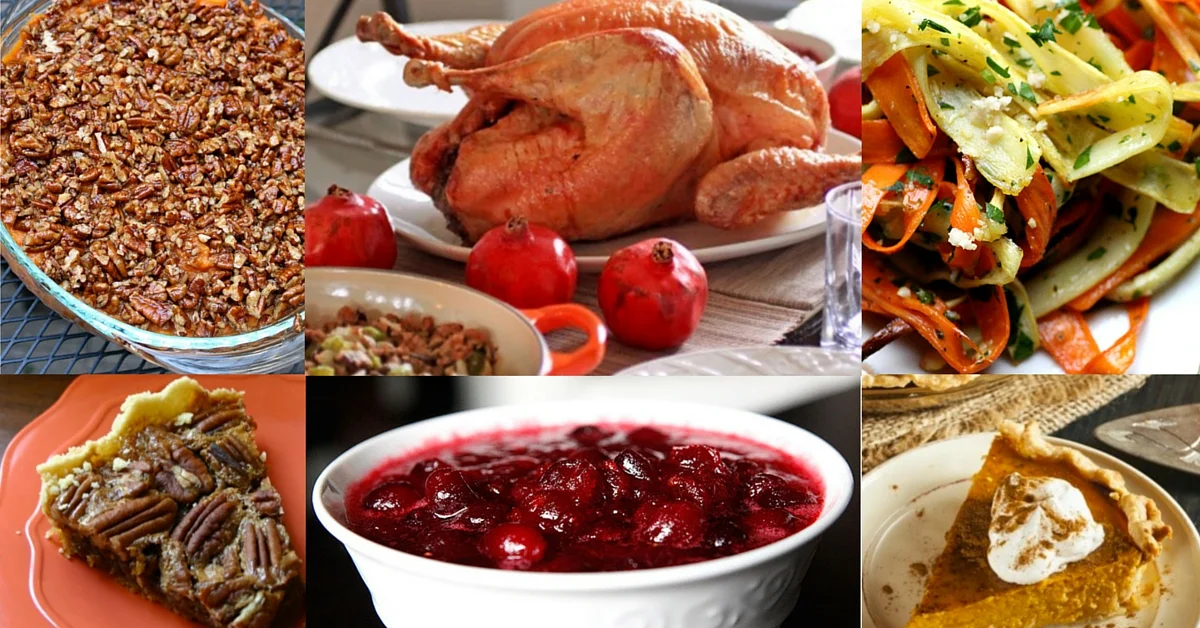
With that in mind, we rounded up 10 recipes—all inspired by holiday staples.

These recipes, with links below, are whole foods-focused, and they minimize processed sugars and grains. These are dishes that people won’t even realize are healthier alternatives to your traditional staples:

1.    Sweet Potato Casserole

2.   Bacon and Chive Sweet Potato Biscuits

3.   Green Been Casserole 

4.   Paleo Gravy 

5.   Carrot and Parsnip Salad 

6.   Baked Ham with Sage, Garlic and Thyme 

7.    Primal Turkey 

8.   Paleo Cranberry Sauce 

9.   Pecan Pie

10.  Pumpkin Pie 

Looking for more health tips and resources? Be sure to connect with us on Facebook.

Image credit: original photos via Primal Palate, PaleOMG, CupcakesOMG, Amazing Paleo, Beard and Bonnet, Feel Great in 8, and Primally Inspired.